School safety has never been more critical for K–12 leaders. As districts navigate evolving security threats and increasing expectations for rapid emergency response, many are turning to technology solutions that improve awareness, communication, and response time.
One major driver in this shift is Alyssa’s Law — a growing nationwide mandate designed to help schools respond faster and more effectively when every second counts.
What Is Alyssa’s Law?
Alyssa’s Law requires K–12 schools to install silent alert systems that immediately notify law enforcement in the event of an emergency. The law is named in honor of Alyssa Alhadeff, one of the victims of the 2018 Marjory Stoneman Douglas High School shooting in Parkland, Florida.
The goal is simple but powerful: reduce response times, strengthen coordination, and save lives.
Why Alyssa’s Law Matters — With or Without a Mandate
Whether or not a district operates in a state with Alyssa’s Law, aligning with its standards provides several strategic advantages:
- Access to safety funding — Many grants now prioritize or require panic alert systems.
- Future readiness — Districts that plan ahead are better positioned when legislation expands.
- Enhanced protection — Faster communication with first responders improves emergency outcomes.
Proactive districts understand that Alyssa’s Law is not merely about compliance; it is a framework for safer, more resilient learning environments.
Where Schools Should Start
K–12 leaders can take several steps now to strengthen their emergency response strategy:
- Conduct a safety technology assessment to identify communication gaps and outdated systems.
- Evaluate available solutions for silent panic alerts, mobile-first response tools, and integrated notification platforms.
- Apply for grants or state-funded programs tied to school safety modernization.
- Train staff on how to respond quickly and effectively in crisis situations.
- Stay informed about new and emerging legislation that may apply to the district.
How FORTÉ Supports Districts in Meeting Alyssa’s Law Standards
At FORTÉ, we partner with K–12 districts across the country to help modernize learning environments, including the critical technology solutions that support school safety and emergency response.
Our approach goes beyond installing devices. We design and integrate complete communication ecosystems that make emergency response faster, clearer, and more coordinated.
For districts preparing for Alyssa’s Law compliance or focused on creating safer spaces for teaching and learning, FORTÉ provides:
1. Silent Panic Alert Solutions
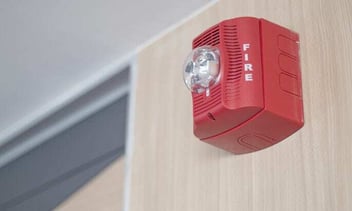
We help evaluate and deploy panic alert technologies that meet or exceed compliance requirements, including wall-mounted, mobile-based, and integrated notification systems.
2. Campus-Wide Communication and AV Integration
During emergencies, students and staff need clear instructions. FORTÉ designs systems that connect intercoms, speakers, displays, digital signage, and emergency notification platforms to ensure information reaches every classroom instantly.
3. Unified, Reliable Infrastructure
Alyssa’s Law depends on systems working flawlessly every time. FORTÉ builds reliable, fully integrated AV and communication environments so alerts are triggered, received, and acted on without delay.
4. Ongoing Support and Managed Services
Our experts provide training, maintenance, and monitoring to ensure systems stay operational, giving school leaders confidence long after installation.
5. Guidance on Funding and Standards
Because we work closely with districts nationwide, we help school leaders understand available grants, emerging state requirements, and best practices for long-term safety planning.
Alyssa’s Law represents more than a regulatory requirement — it is a commitment to protecting students and staff when every second matters.
Whether your state has enacted the law or may adopt it in the future, now is the time to strengthen emergency communication systems.
In addition to campus-wide audiovisual and unified collaboration solutions, FORTÉ is here to help districts prepare, plan, and implement technologies that keep schools safer and more connected. Connect with us today!